Boy Extracting Thorn Spinario Fedelino
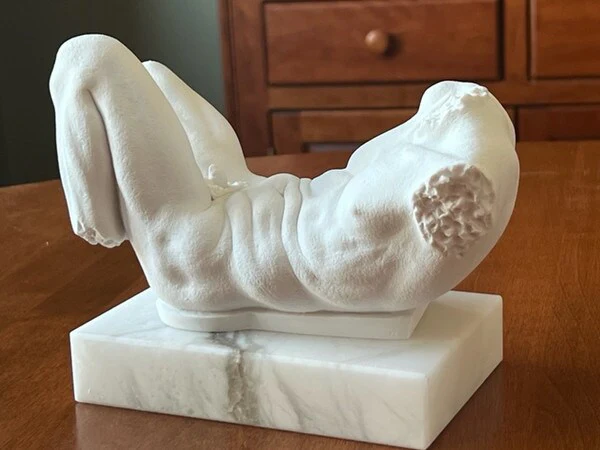
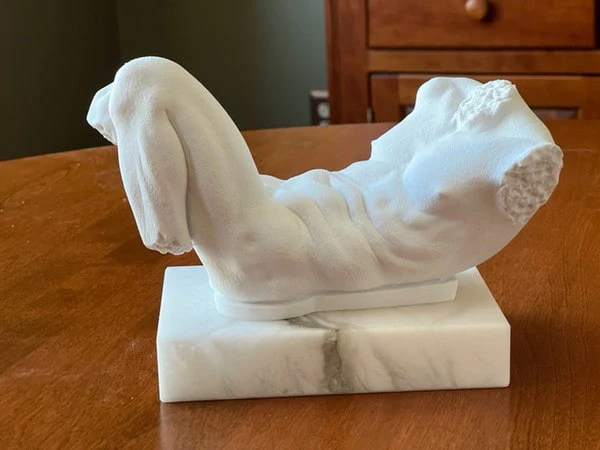
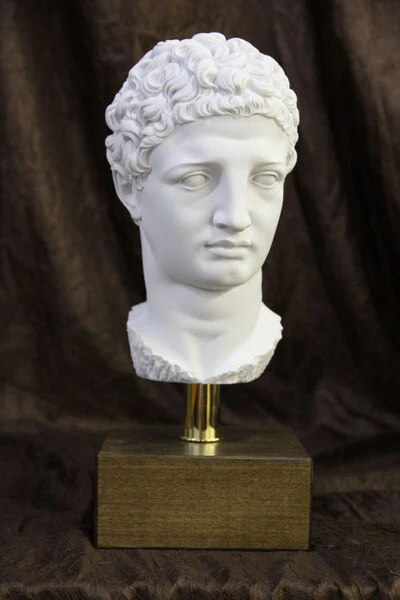
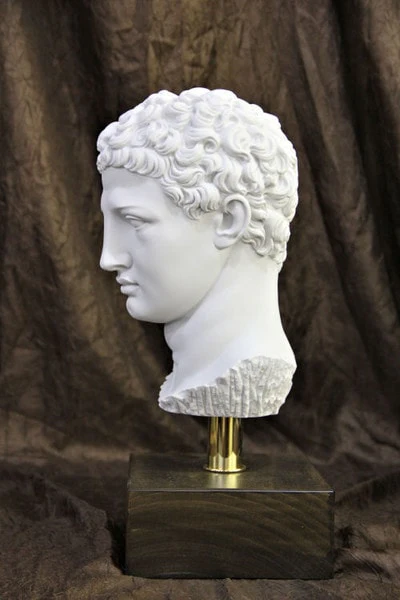
The "Boy Extracting Thorn" statue, also known as "Spinario" or "Fedelino," is an enduring symbol of classical antiquity and artistic ingenuity. This captivating sculpture portrays a young boy seated and deeply focused on removing a thorn from his foot, embodying a moment of delicate human vulnerability and concentration. The original "Spinario" dates back to the 1st century BCE and is believed to be a Roman copy of a lost Greek bronze from the Hellenistic period (3rd to 1st century BCE), renowned for its naturalism and expressive detail. The statue represents the Greek aesthetic ideal of portraying everyday life and human emotion, capturing a narrative moment rather than a mythological or heroic scene. The intricate detailing of the boy's posture, the intense concentration on his face, and the lifelike rendering of his form highlight the advanced sculptural techniques of the time, demonstrating a high level of skill and realism. The most famous version of this statue is housed in the Capitoline Museums in Rome, where it continues to be admired for its artistic and historical significance. Over centuries, the statue has inspired countless artists and has been replicated in various forms. The "Boy Extracting Thorn" has been a source of fascination throughout history, resonating (more...)
Product Information
Product Information
Shipping & Returns
Shipping & Returns
Description
The "Boy Extracting Thorn" statue, also known as "Spinario" or "Fedelino," is an enduring symbol of classical antiquity and artistic ingenuity. This captivating sculpture portrays a young boy seated and deeply focused on removing a thorn from his foot, embodying a moment of delicate human vulnerability and concentration. The original "Spinario" dates back to the 1st century BCE and is believed to be a Roman copy of a lost Greek bronze from the Hellenistic period (3rd to 1st century BCE), renowned for its naturalism and expressive detail. The statue represents the Greek aesthetic ideal of portraying everyday life and human emotion, capturing a narrative moment rather than a mythological or heroic scene. The intricate detailing of the boy's posture, the intense concentration on his face, and the lifelike rendering of his form highlight the advanced sculptural techniques of the time, demonstrating a high level of skill and realism. The most famous version of this statue is housed in the Capitoline Museums in Rome, where it continues to be admired for its artistic and historical significance. Over centuries, the statue has inspired countless artists and has been replicated in various forms. The "Boy Extracting Thorn" has been a source of fascination throughout history, resonating (more...)